
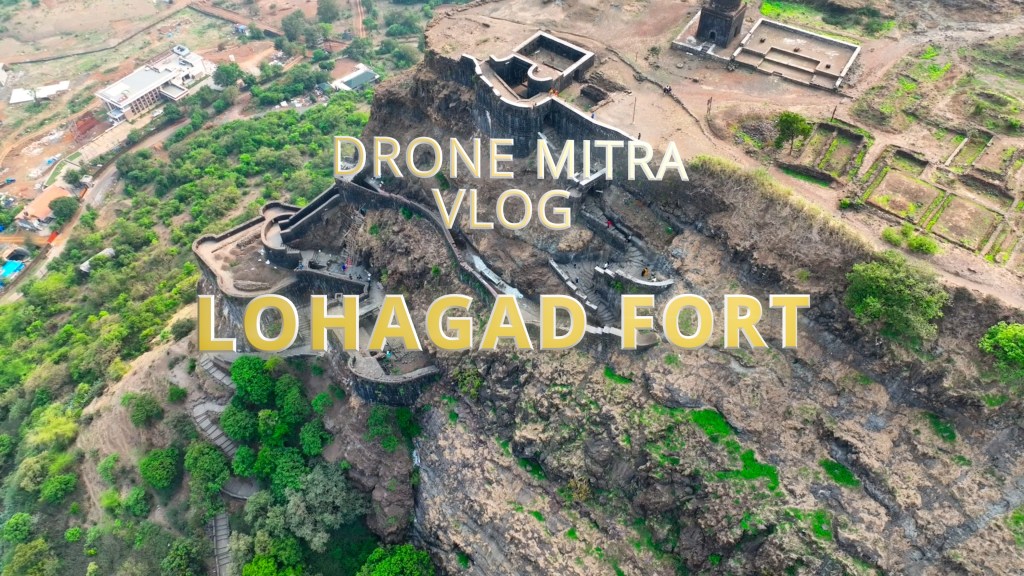
Lohagad Lonavala Maharashtra Blog about the VLOG
Watch full video on YouTube Drone Mitra Channel
Lohagad VLOG
Hello I am Drone Mitra Your Drone Friend.. !

Thanks for visiting my blog, and thanks to everyone who have inspired myself for creating better videos.
I am associated with the travel industry as well, and as a result people do often ask myself about recommendations on local places. I created this video for everyone to see the Point of interest and plan your travel accordingly.
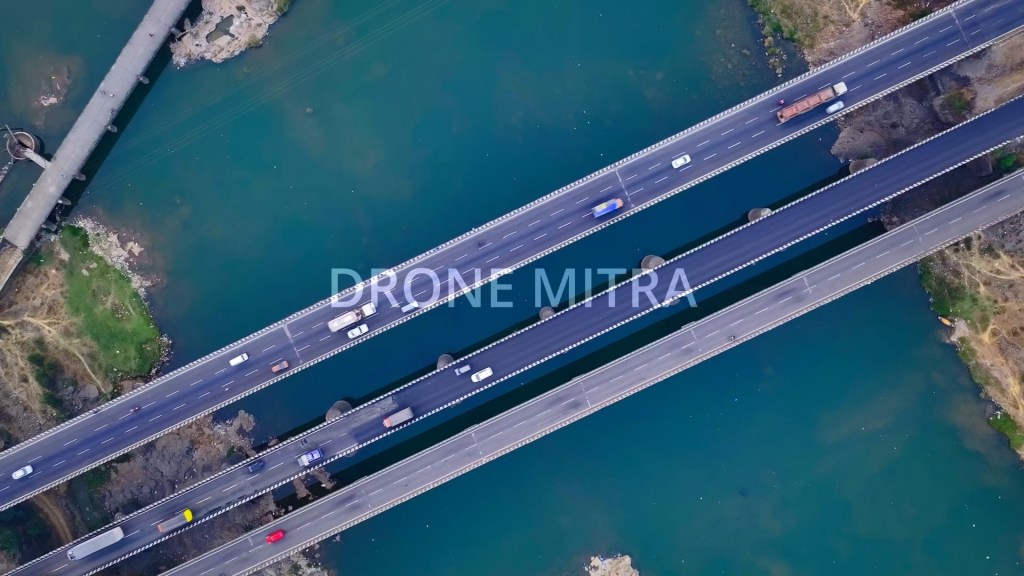
NH – 48 National highway – Delhi to Chennai
Everyone is aware of National Highway No.48 these days, it starts from Delhi runs all over until Chennai. A section of this highway from ahmedabad to mumbai Thane Ghodbunder and then passing from Thane near Mumbai all the way to pune is the busiest.
VLOG ON DRONE MITRA YOUTUBE CHANNEL
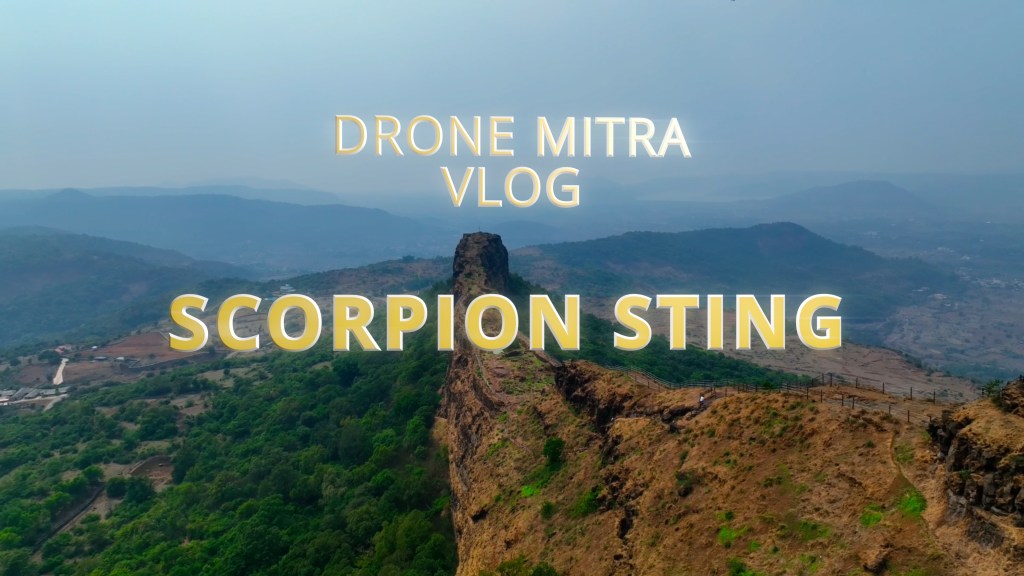
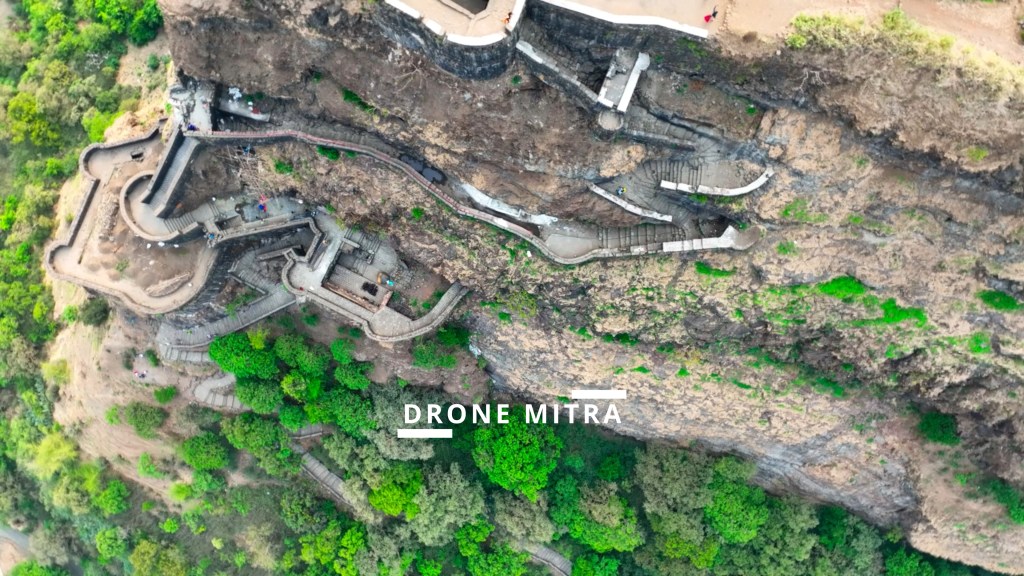
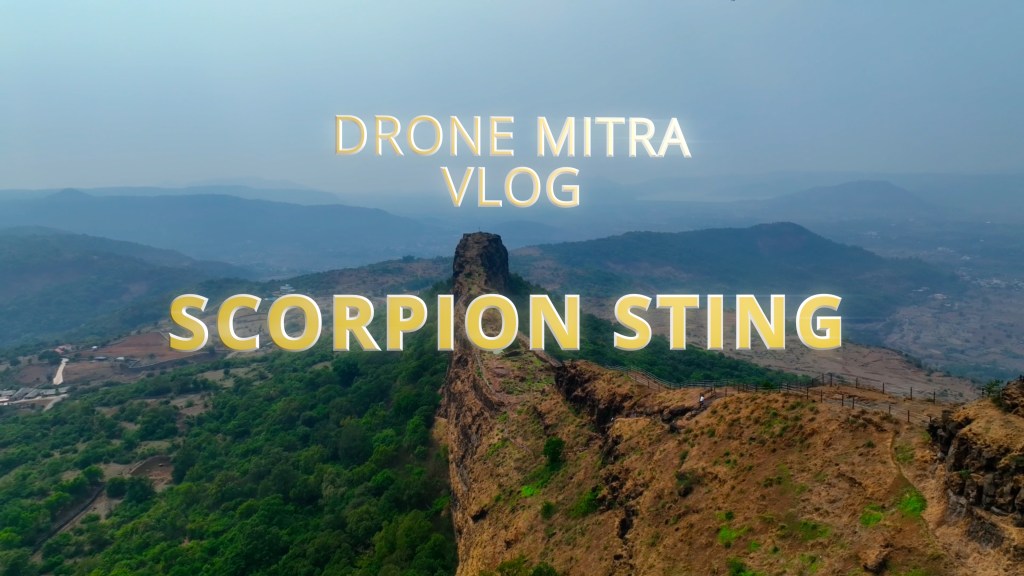
Scorpion Sting is the far end of the hill top called Lohagad.
Lohagad Fort is the at the front of the Lohagad Hill Top.
This video is one of the video series of videos about places nearby NH 48 for you to visit. Lohagad is a military marvel, designed by none other than the great Indian King Maharaja Shivaji. Lohagad is closer to the hill station Lonavala and it is 52 km northwest of Pune.
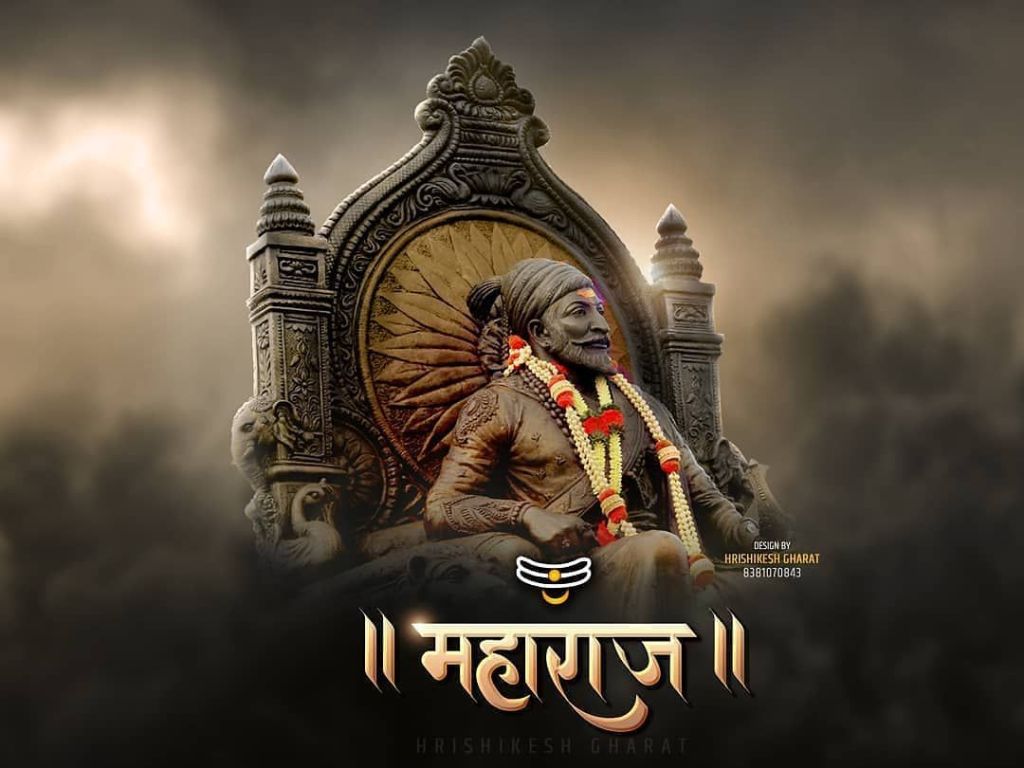
THE GREAT INDIAN KING MAHARAJA CHATRAPATI SHIVAJI MAHARAJ
designed Lohagad with a view to keep the invading army at a maximum disadvantage.
Like and hit subscribe to my channel Drone Mitra.!
Do Not Forget to hit the bell icon…!
Change the subtitle language by selecting a language of your choice from the gear
Google location for Lohagad Fort Car Parking is here https://goo.gl/maps/HQgNMf2vjfFtPVuS7
Type PF5H+9JX in your google maps it gets you straight to car parking
The youtube video is suitable for viewing on Large TV or a computer screen. Select 4K mode.
In case watching on a mobile just tilt mobile and use headphones for a good experience.
DO NOT FORGET TO ADD MY CHANNEL PLAYLIST TO YOUR YOUTUBE LIBRARY.. !
For any Drone shooting you may email myself at amskher@gmail.com
The nearest airport is the Pune International Airport to Lohagad. Mumbai airport is busiest and well connected airport at 100 Kms.
The nearest train station is Malavli, which can be accessed by suburban trains between Lonavala and Pune.
The nearest major train station is Lonavala, on the Mumbai Pune railway main line.
Lohagad is connected by road through the Mumbai Pune Highway Expressway.
Bhaja Caves is on the way to Lohagad if a small diversion is taken.
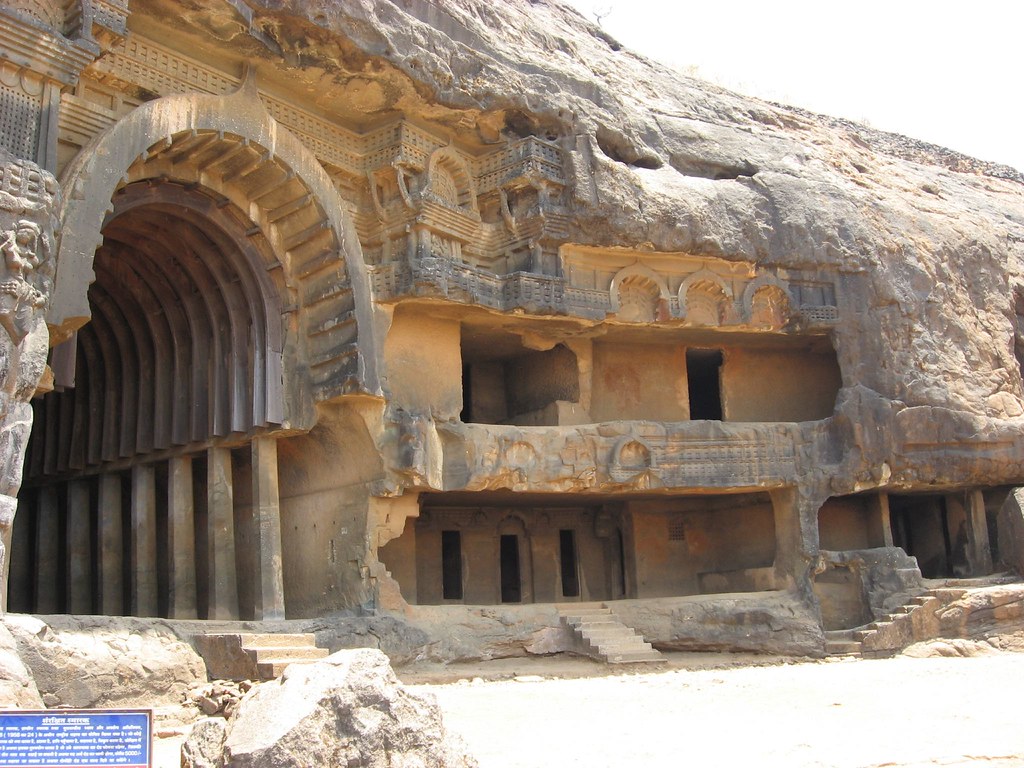
Bhaja Caves Lonavala
A variety of birds and insects can also be spotted in these hills.
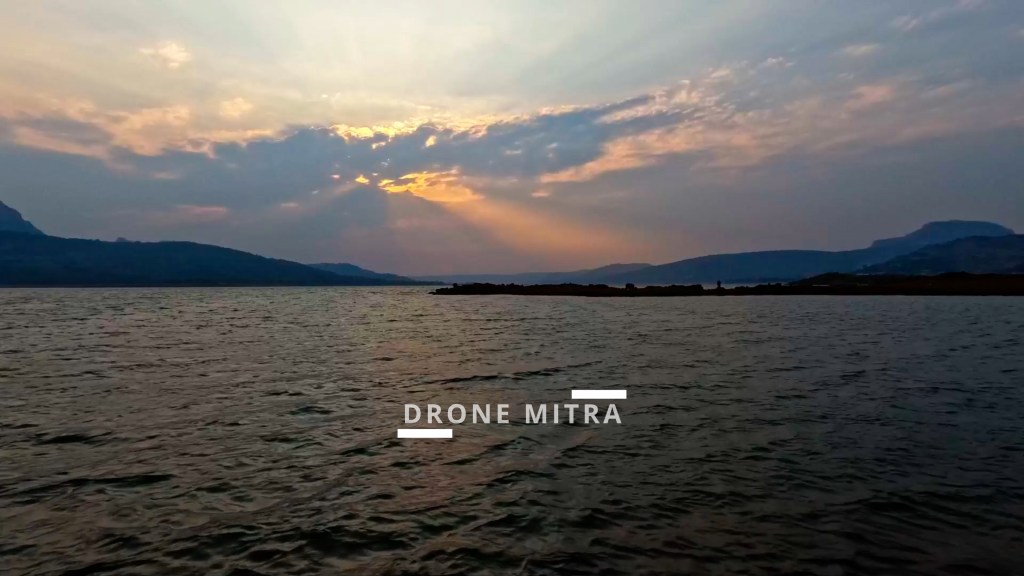
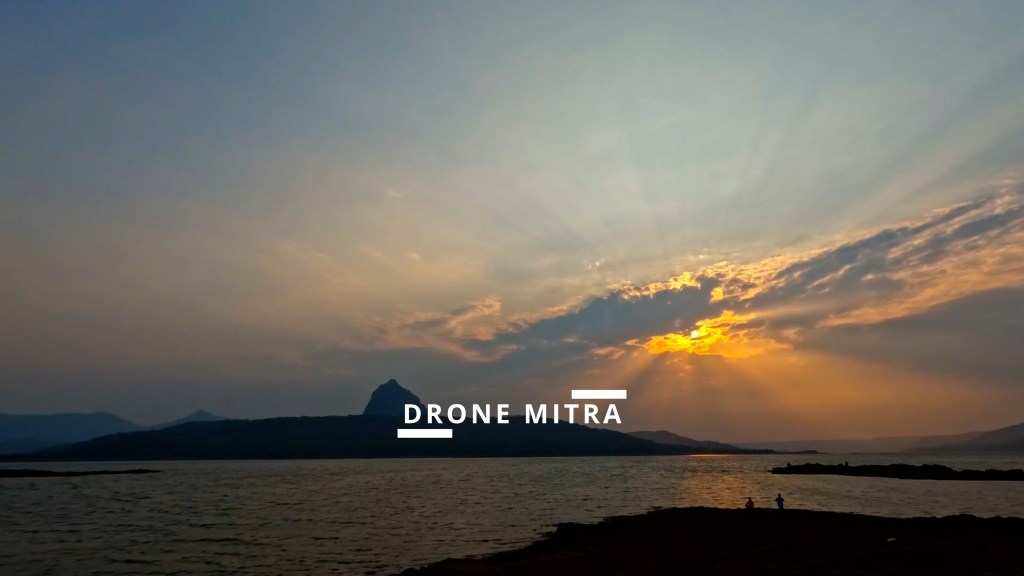
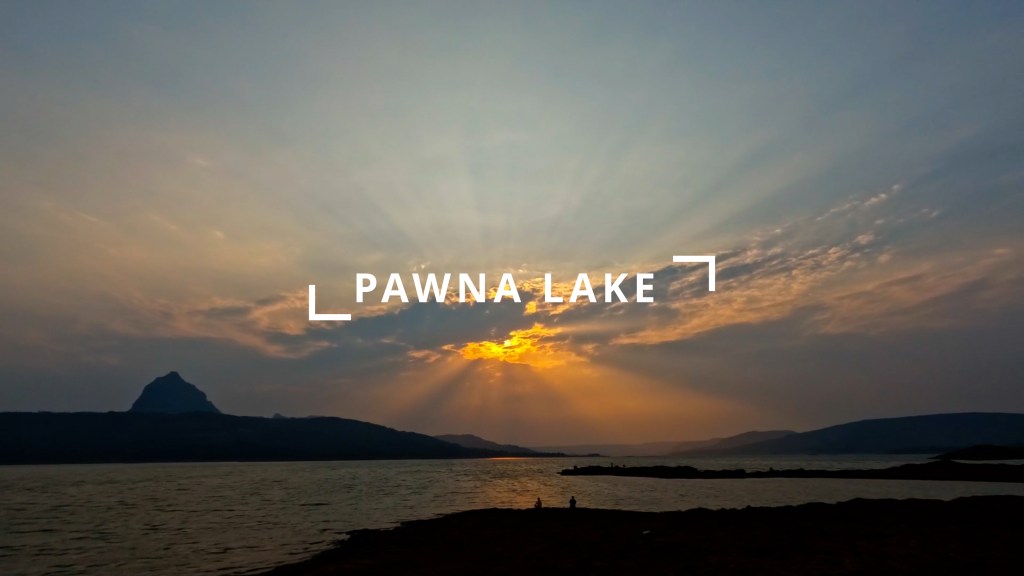
This fort offers aerial views of Karla, Bhaja caves, and Pawna Lake.
The end part is far from main section of the fort. This resembles a scorpion’s tail…
… requires an additional 15-20 minutes of walking to reach the edge.
Lohagad in Marathi translates to ‘Iron Fort’ and is backed by the rich history and architectural brilliance.
Lohagad Fort divides the river basins of Indrayani and Pavna and is situated at an elevation of 1,033 meters above mean sea level.
The best time to visit Lohagad Fort is during the heavy rains anytime during June and September.
The trekking tracks green and spectacular. For people visiting it often, the trek can be completed within 40 minutes
Lohagad trek is open from 9 am to 6 pm.
Food is only available at the base village or in the shacks at the base.
Cooking is not allowed inside the fort premises. Carrying dry snacks is allowed.
There are no toilets available in the fort. Ensure to use a toilet before you start the trek.
Though Lohagad trek is a one day trip from Pune or Mumbai, there are also many campsites to choose from the banks all over the Pavana Lake or the Pawna Lake.
Lohagad trek from Mumbai distance is 100 km and three hours drive. Lohagad from Pune is two hours drive 65 km approximately.
Carry things such as Sunglasses, Good trekking shoes or any comfortable shoes.
Carry Water-bottle Hat or cap or stole, Snacks but Do not carry liquor – it is banned to consume it on the fort.
When it comes to tenting at Pawna Lake, selecting the right vehicle is essential for a safe experience.
This is specially crucial for the duration of the rainy season whilst water can clog up the roads.
The last issue you need is to get stuck in mud or damage your vehicle’s undercarriage at the same time.
An automobile with high floor clearance will help you navigate through the difficult terrain and save your vehicle.
If you’re seeking out a romantic getaway along with your associate, e book a couples-most effective campsite.
These campsites offer privacy and intimacy in beautiful surroundings. You can revel in stargazing at night or take romantic walks through the lake for the duration of the day.
It’s additionally essential to don’t forget that some of the roads main to Pawna Lake are narrow so having a smaller automobile can be more sensible than a bigger one.
For groups of friends searching out an adventure-filled ride, search for campsites that provide sports like trekking or water sports.
Group tenting gives opportunities to bond and create reminiscences that will last for all time.
Additionally, if you’re not assured in using cars on hilly terrains or lengthy routes, hire a cab and get dumped here…
AVOID ROADSIDE TOUR GUIDES
When you are touring to Pawna Lake, it’s essential to plot ahead and make all necessary bookings in advance.
AVOID SWIMMING IN THE LAKE. While this serene lake may additionally appear like a really perfect spot for swimming, it’s no longer as safe as it seems.
The lake additionally has uneven surfaces and hidden underwater rocks that pose a sizeable chance to swimmers.
NO LIFE GUARDS ARE AROUND. Pawna Lake is a popular camping vacation spot located amidst the luxurious green hills of Lonavala.
Avoid falling into the trap of roadside journey option providers..
AVOID TRAVELLING HERE OR PAWNA LAKE AT NIGHT TIME
When planning a tenting trip to Pawna Lake, it is vital to pick out the proper campsite that fits your wishes.
The roads are slim with sharp turns making it challenging to discover your way round if you are new to the place.
There are different automobiles on the street.
Whether you are touring with circle of relatives, pals, or a sizeable different, there are separate campsites available for everyone.
It is essential to arrive here earlier than sunset while visibility is better.
By taking simple precautions and being aware of your surroundings whilst tenting at Pawna Lake, you may ensure a more secure experience for yourself and those round you!
In conclusion, tenting at Pawna lake can be an thrilling revel in, but protection ought to always be your top precedence.
The hill range divides basins of the Indrayani river and Pavana lake or Pawna lake.
Lohagad overlooks the Pawna or Pavana reservoir. Though Lohagad and Visapur forts are nearby, only experienced trekkers can cover both the fort in a day.
A newbie trekker may get tired after completing trek of one fort. Newbies are advised to select one fort from Lohagad or Visapur in a day plan.
Here are some options
1st Option – Lohagad fort + Prati pandharpur + Dudhiware waterfall
2nd Option Visapur fort + Prati pandharpur + Dudhiware waterfall Tikona fort + Prati pandharpur + Dudhiware waterfall
3rd Option Tikona fort + Prati pandharpur + Dudhiware waterfall
4th Option Tung fort + Other points in Lonavala. You are not advised visit Dudhiware waterfall or Prati pandharpur after Tung fort trek, because these places are far away from Tung fort.
Water starts falling off the hills during monsoon, plan accordingly. Bhaja caves are a bit way from lake but near to Visapur fort…
Best places for food at Pawna lake include the OVEN Restaurant. It is near to Lohagad fort and Dudhiware waterfall.
Lohagad restaurant near the lake Has access to the lake.
Shree Swami Samarth Family Restaurant is the best for spicy Maharashtrian food
Lohagad restaurant near the lake Has access to the lake.
This is one of the quick weekend getaways and considered as one of the best things to do in Lonavala.
Camping is one such experience where the soul gets rejuvenated and relaxed the wonderful nature is always open and places around here are suitable for people of all age groups.
Pawna lake camping attracts a lot of corporate employees and young campers.
Tents are placed around the periphery of the lake and one can enjoy the meals and recreation on the waterfront.
The establishment becomes lively with live music, bonfire, games and barbeque dinner, turning the evening into a perfect getaway.
During monsoon, you will have a spellbinding session with the clouds flowing over and around you.
The place, in short, is a nature lover’s ultimate dream’s destination. Paragliding here lets you enjoy a wonderful flight over Pawna Dam.
Plus, watching the sunset at the horizon as you fly like a kite, is certainly an exhilarating thing to do near Lonavala.
Tourists often visit the landmark to get a panoramic view of the beautiful Sahyadri Mountain Ranges, the splendid valleys and the dense forests that cover the Sahyadri mountain ranges.
Lohagad fort is connected to Visapur fort which is also a good trekking place if you have the time to cover both the forts in one day.
Visapur fort is larger and at a higher elevation than its twin fort Lohagad. These are very easy treks and even a novice trekker like myself should not even have any problems.
At Lohagad, there are only steps and less amount of trekking is required while trek to Visapur fort is a great thing to do for the adventure enthusiast in Lonavala.
It constitutes sever national parks, reserve forests and wildlife sanctuaries in Kerala, Karnataka, Tamil Nadu and Maharashtra.
It has exceptionally high biodiversity and ranks among the top 8 in World’s Biological Hot Spot Locations. The artificial lake has carved out a piece of nature’s artwork.
The forests along the Western Ghats are home to about 325 species of flora and fauna, which included endangered, rare and critically endangered species of plants and animals.
Tents, soothing vibes, and lovely surrounds could be a perfect holiday plan for couples. Rajmachi fort is another ancient fort situated in Pune district.
Rajmachi fort is a beautiful historical fort situated in beautiful natural surroundings. Pawna lake camps is one such experience and is surely an unmissable part in the list of couples camping destinations.
Perched atop an impressive hill near Malavali, this fort of Lohagad is the perfect amalgam of ancient architecture and natural beauty.
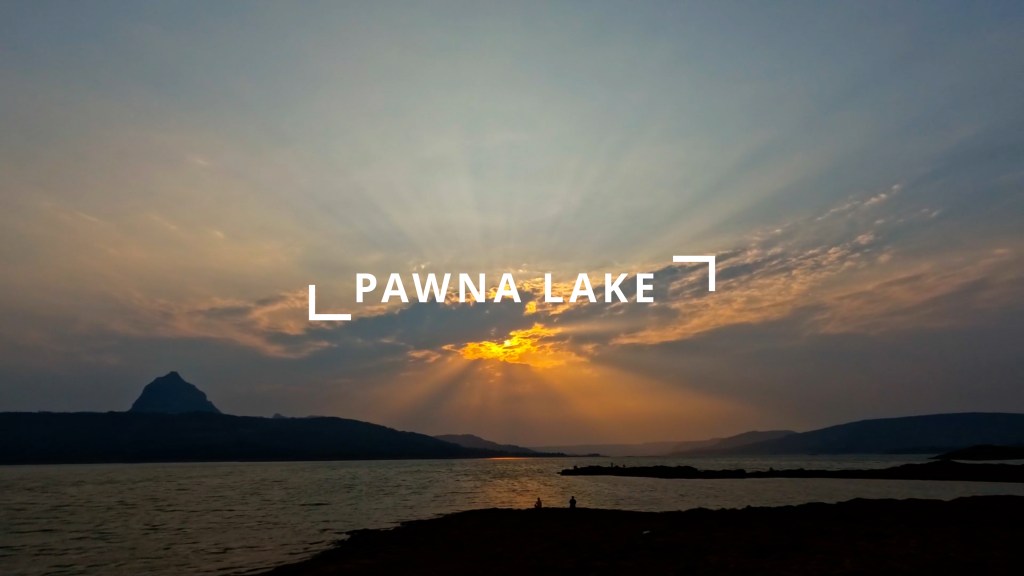
The sheer size of the lake along with the surroundings make for an awesome sight as it imposes itself like a canvas painting in your eyes. The ideal time to go camping at Pawna Lake is from 4 PM of the first day to 11 AM of the second day.
Lohagad Fort was built in the 18th century by the Great King Maharaja Shivaji. Chhatrapati Shivaji Maharaj used to keep his treasury in this fort.
Lohagad Fort in itself is a massive structure that was once under the control of the mighty Maratha Empire and is connected to its twin Visapur Fort as well.
Until a few years back, the base of the fort was quite far from the last point connected via road, however now a proper road has been built to the base of the fort.
Whether you visit this destination for its lush green beauty, adventurous trekking route, panoramic views or illustrious history, Lohagad Fort is certainly worthy of a visit.
The trek is actually very simple and hardly takes any time, since there are stone steps all the way up to the top of the fort.
If walking at a moderate speed, you should be able to reach the top in about 45 minutes, excluding the time taken to stop and appreciate the view on the way.

Please note that there is a steady flow of water on these steps during monsoon, therefore look out for moss on the stones and avoid stepping on them.
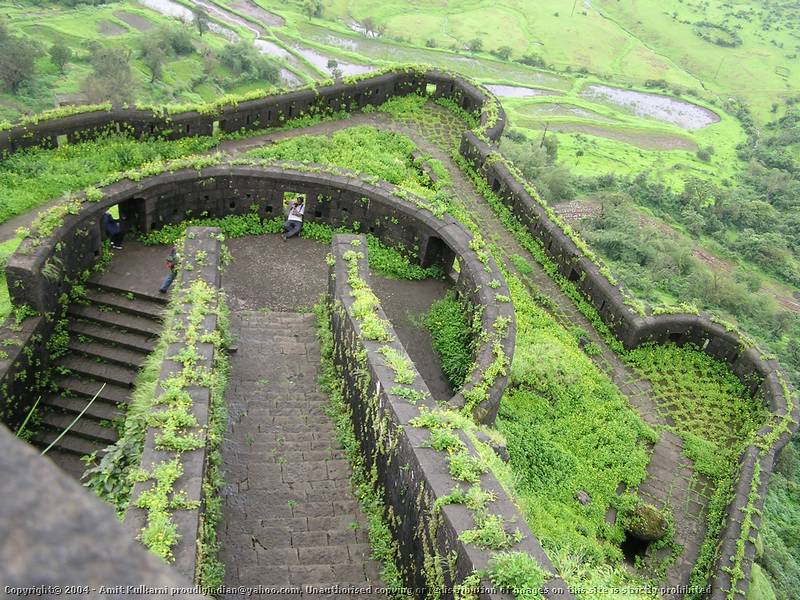
The best time to visit Lohagad Fort is during Monsoon season when the rains make the surroundings look fresh and verdant, while a cover of dark clouds is a big respite from the sun.
The migratory season of the birds fall from June to August, and it is a spectacle to watch this natural phenomenon.
The water cisterns and ponds on the top of the fort are full during this season and you can jump into them if you feel up to it!
Your visit to Lonavala, Khandala or any other nearby locations shouldn’t stop you from visiting this piece of serenity.
However, please note that the roads are not in good condition during monsoon therefore driving to the base village becomes a bit uncomfortable.
Owing to heavy rainfall, the way to the top becomes quite slippery but it is really safe if you are being careful and take your time.
Make sure to wear comfortable clothes and a good pair of shoes as you will be trekking your way up to the fort.
Also, carry a raincoat if you are planning a trip during monsoon season. It is also recommend that you carry snacks and about 2 litres of water per person since you will feel thirsty and hungry after the trek.
You can find a few restaurants serving local Maharashtrian food at the base of the fort The Western Ghats or the Sahyadri mountain ranges
lies along the western coast of the Indian Peninsula perched at 3400 ft, Lohagad Fort is a vast fort spread far wide.
Lohagad is on a hillock amongst the western Ghats that are on the list of UNESCO nature sites. The western ghats mountain range runs north to south along the west edge of Deccan Plateau.
The most famous spot is Vinchu Kata, a range of hills that looks like a scorpion.
Recently the fort has been declared as a protected monument by the government.
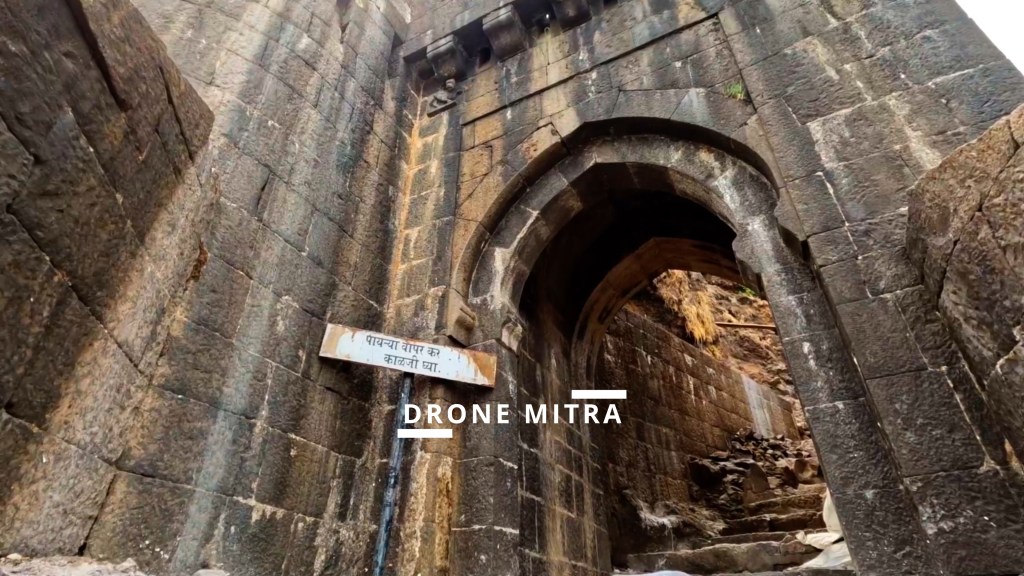
It constitutes of four entrances namely Ganesh Darwaja,
Narayan Darwaja, Hanuman Darwaja and Maha Darwaja from the nearby village side.
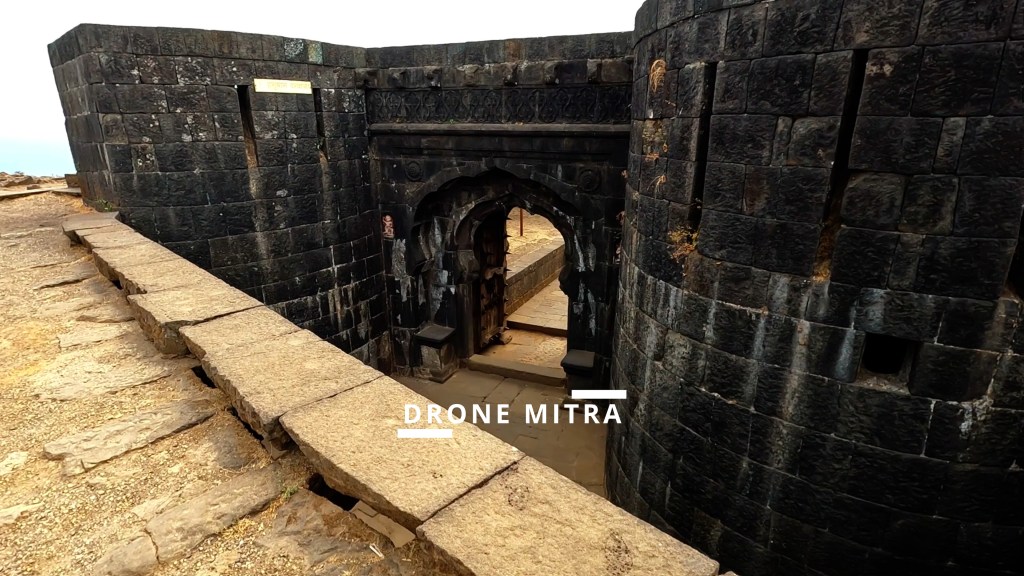
One can see some beautiful sculptures carved out on the Maha Darwaja.
Lohagad Fort sometimes typed as Lohegad fort is a fort with historical importance to Maharashtra and one of the many symbols of Maratha Pride.
The literal translation of the word Loha in English is ‘Iron’
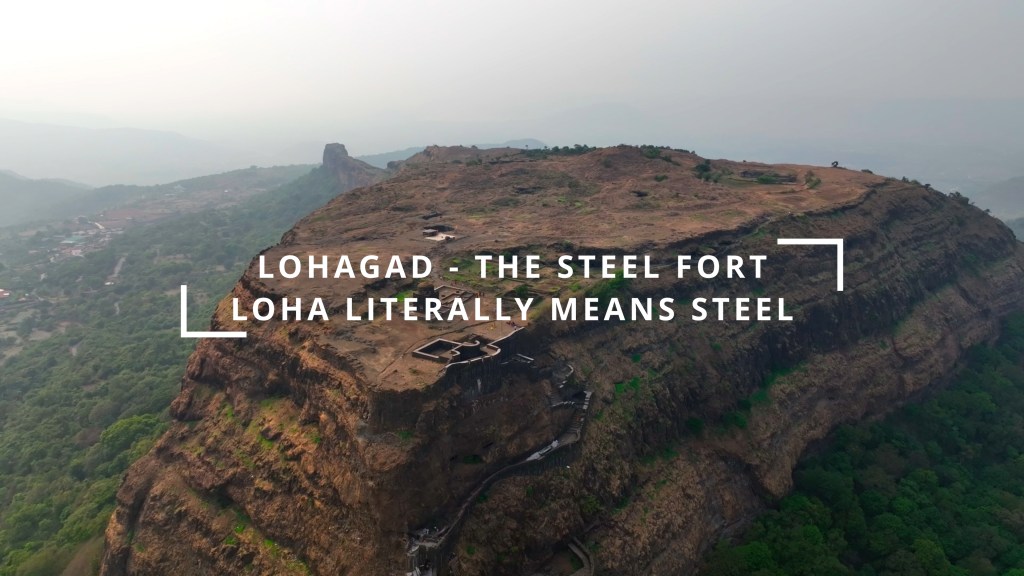
The Lohagad fort existed prior to the Maratha Empire.
There’s evidence of the fort existing in the 1st Century BC in the form of an inscription in the Brahmi script and Prakrit language.
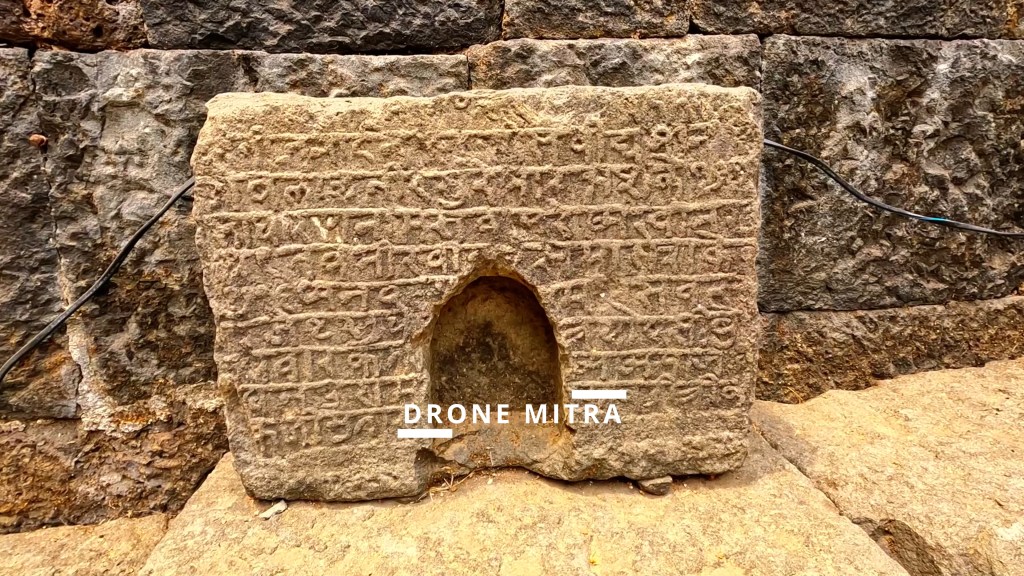
The fort is also evidence of the rise of Jainism in the Maharashtra area, as the inscription follows the themes of other Jain inscriptions.
Several kingdoms ruled it in their time, like the Yadavas, the Chalukyas, and even the Mughals and finally the Marathas.
The fort is historically important because it was one of the several forts controlled by the great king Maharaja Shivaji, the Chatrapati.
The Great King Maharaja Shivaji had to hand over because of the treaty of Purandar. However, as he went on recapturing the forts,
Lohagad once again came under his bastion.
This was a remarkable achievement.
The steps to the fort are generously spacious, but it all becomes steep as you approach the top portion of the fort.
From the top of the fort, you get a visual spectacle of an entire valley. You also see an aerial view of the Pawna Dam and the Bhushi Dam, a rare spectacle.
From the top, you will also be able to get an aerial view of the Bhaja and Karla Caves. There is no commercial activity inside the fort, so you need to travel with snacks and beverages in case you intend to undertake the complete trek.
The Lohagad Fort is a trek that you should embark on in the early morning so that you are at the top by mid-morning, you can descend by afternoon.
You can then spend your evening in the Bhaja caves, which is at a ten-minute distance.
Amazingly, this fort has had many uses unique to rulers who occupied it, like keeping a treasury and even living.
This fort has immense historical significance, is an abode of archaeological beauty, and has been used by various rulers for various duties.
The fort is one of the best examples of the strongest forts ever in Indian history that witnessed numerous wars and explosions and fell into the hands of several rulers, but in spite of that,
it has been able to maintain its intact structure with slightly broken parts in some areas.
The Ganesh gate is supported by elephant statues. The interior of the Ganesh gate houses a broken shrine of Ganapati while the Narayana gate houses shrine of Goddess Parvati postured in crossed legs.
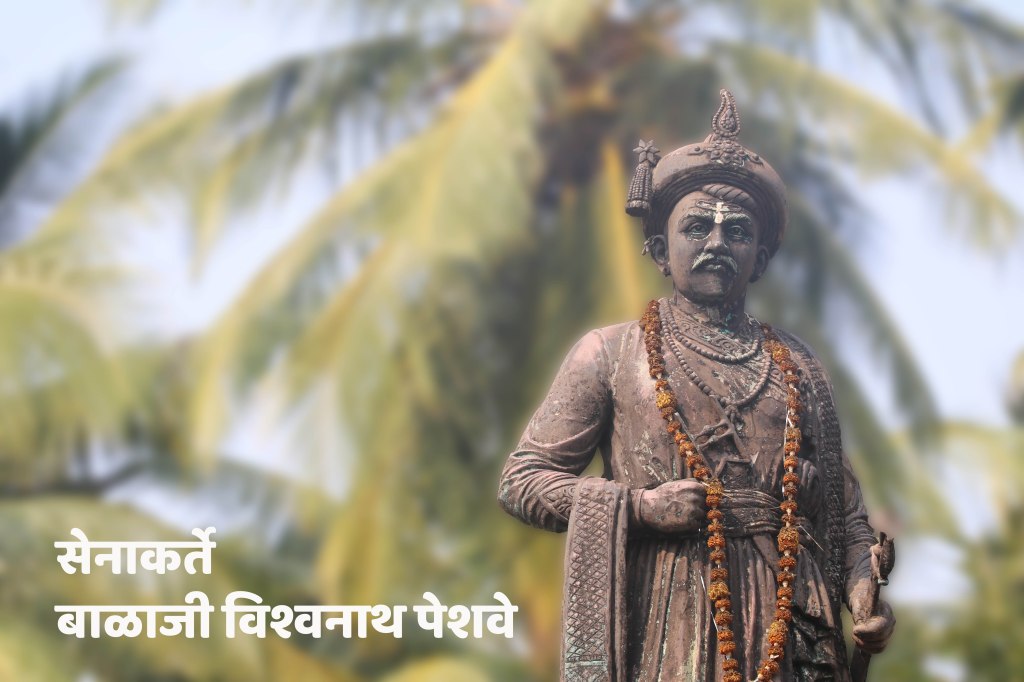
Historic evidence says that current fortification was built during 1713-1720 CE by Balaji Vishwanath.
The Maratha kingdom could stand firm and resist against the Mughal might owning to the best use of their hilly terrain further strengthened with construction of hill,
land and sea forts and by adopting guerrilla warfare tactics making a unique case of intelligence use of human genius to create these strongholds combined with locally evolved effective fighting techniques.
With a strong line of fortifications comprising of an inner and outer line of defense entry is through four successive arched gateways called Ganesh, Narayana, hanuman and the maha gates, each of which is flanked by a system of double bastions rising one above the other.
Except Hanuman gate built by the Mughals, all other were built by Nana Phadnavis. The fort is under the jurisdiction of the Archaeological Survey of India, Central Government, Approximately 500 steps lead all the way up to the top.
The military landscape of India is dotted with numerous settlement spread across the entire subcontinent and timeframe extending from 3rd millennium B.C.E to 19th century C.E.
It has a rich repository of forts and fortifications, including more regional typologies evolving in each region such as the Maratha forts, Sikh forts etc.
While discussing the military landscape of Maharashtra state, existence of hill and land forts is well recorded in the historical sources and records.
However, in terms of Archaeology, the Sultanate period forts are still standing physical entities
indicating development of defence network system shaped by landscape which led to major political, social and economic developments in the Deccan and Maharashtra.
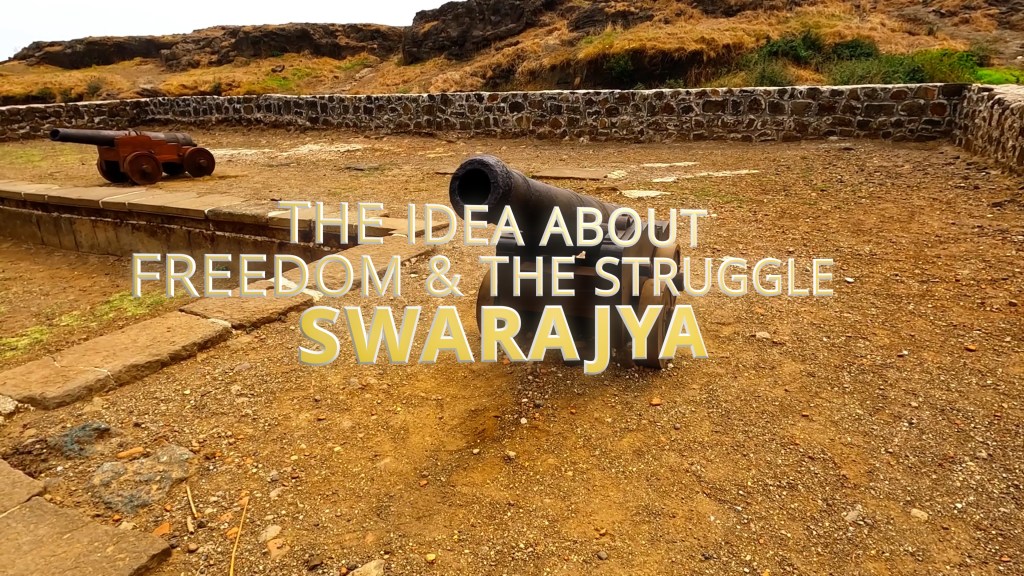
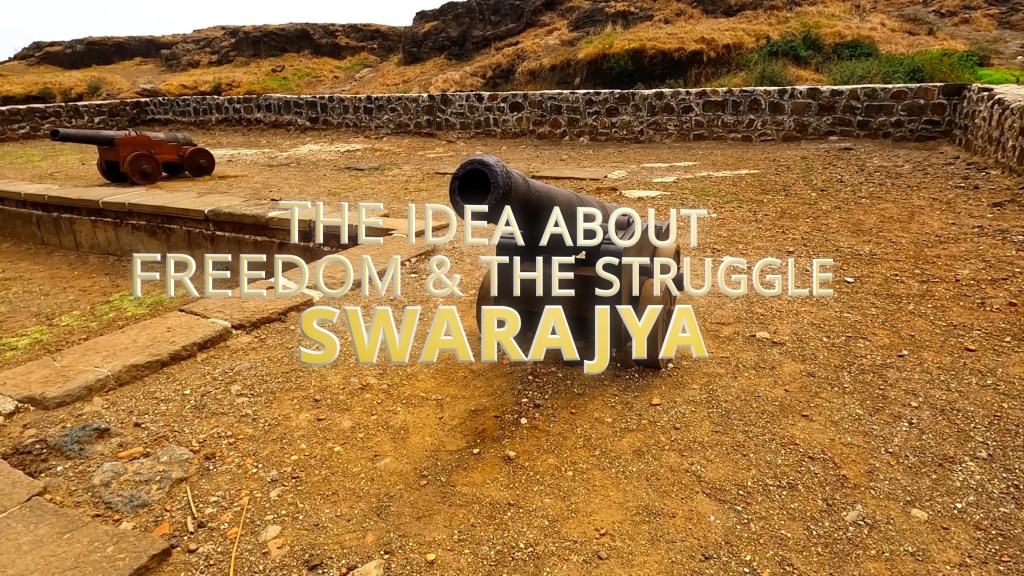
The Maratha rule often referred as Swarajya or Self-Rule as referred in the contemporary documents was established by the great king known as Chhatrapati Shivaji Maharaj and it became the most influential political force India before establishment of the British rule.
The base of this later period of Maratha expansion remained
upon geographically smaller principality established by King Shivaji in Maharashtra.
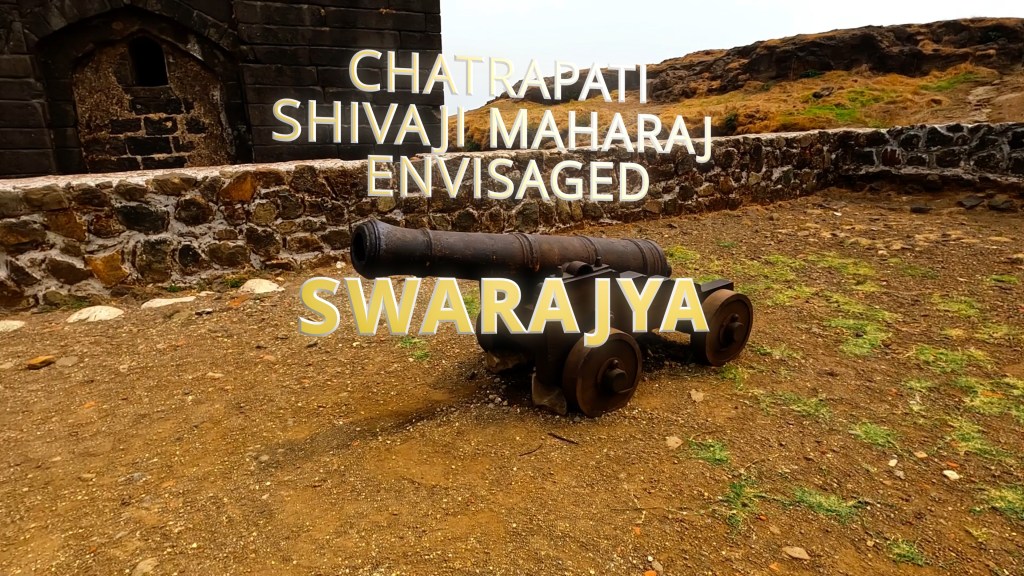
The self rule or SwaRajya established by the great King Maharaja Shivaji laid out welfare and well-being of his own subjects and this development was solely based upon the best use of military landscape and guerrilla warfare tactics which were applied by him.
Hence, the Maratha forts of Maharashtra are proposed tentative list of UNESCO World Heritage Convention Sites.
The Maratha military landscape developed during the period of Chhatrapati Shivaji Maharaj represents a very interesting phenomenon in the Indian history which remains unparalleled for its military ingenuity.
The value resides not only in the architectural grandeur or the strategic setting and picturesque locations of the forts but in the innovation of connecting them into a single operational system of defence through a strategic military network exploiting the unique cultural landscape stretching from Konkan to Sahyadri hills and further up to the Deccan plateau.
The fortified cultural landscape of Maharashtra encompasses 720 K.M. of coastal defence structures and island forts that were further supplemented by the network of hill forts across the Sahyadri mountain range and Western Ghats.
The mapping of the forts of Maharashtra clearly indicates the concentration of forts in the Sahyadri hill range and lesser intensity of forts forwards the Deccan plain as communication of hills was dependent on proximity.
Out of 463 Maratha forts recorded so far, 11 are island forts, 71 are coastal forts, 225 are hill forts in the Western Ghats and 156 are land forts.
Among these 463, two were administrative capitals, 36 were secondary forts while 378 merely worked as outposts.
These networks are excellent examples of how the existing terrain was used for developing the guerrilla warfare strategy by Chhatrapati Shivaji Maharaj and the Maratha army to combat the imperial power of the Mughals on the landside and European coastal powers from the seaside.
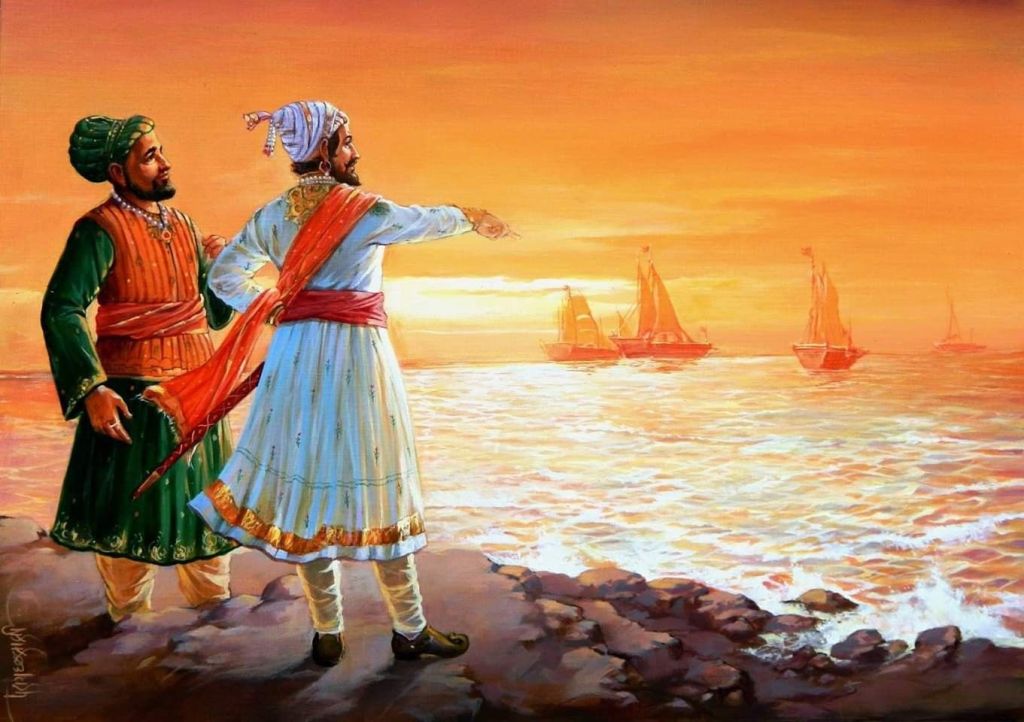
Among the military landscape of India, the warfare strategy of the Maratha Empire clearly stands out as one of its kind with potential to be showcased to the world.
The forts of Maharashtra represent Maratha ideology in architectural planning based upon best utilization of hilly terrain and sea.
These forts offer new insight in various forms of architecture including rock cut features, construction of perimeter walls in layers on hill tops and slopes, temples, palaces, markets, residential areas, and almost every form of medieval architecture.
Raigad is the classic example of Maratha architecture and best representation of capital fort on hill. Rajagad, another hill fort was also capital for a very long time.
Besides Administrative headquarters there are forts like Rangna and Salher which guarded boundaries of the kingdom during the great king
Maharaja Chhatrapati Shivaji’s time and also played vital role in many battles serving as military bases.
Coastal forts like Alibag, Suvarndurga kept check on trade, foreign powers and pirates on coastline.
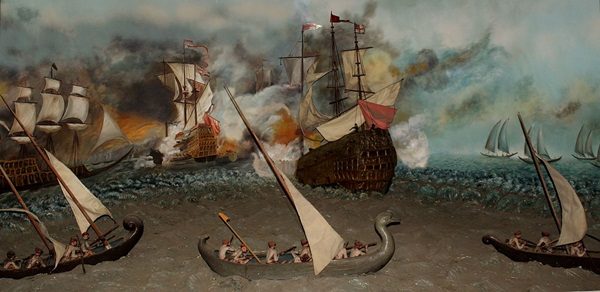
Kasa known as Padmadurg and Sindhudurg are sea forts which provided base for naval military operations.
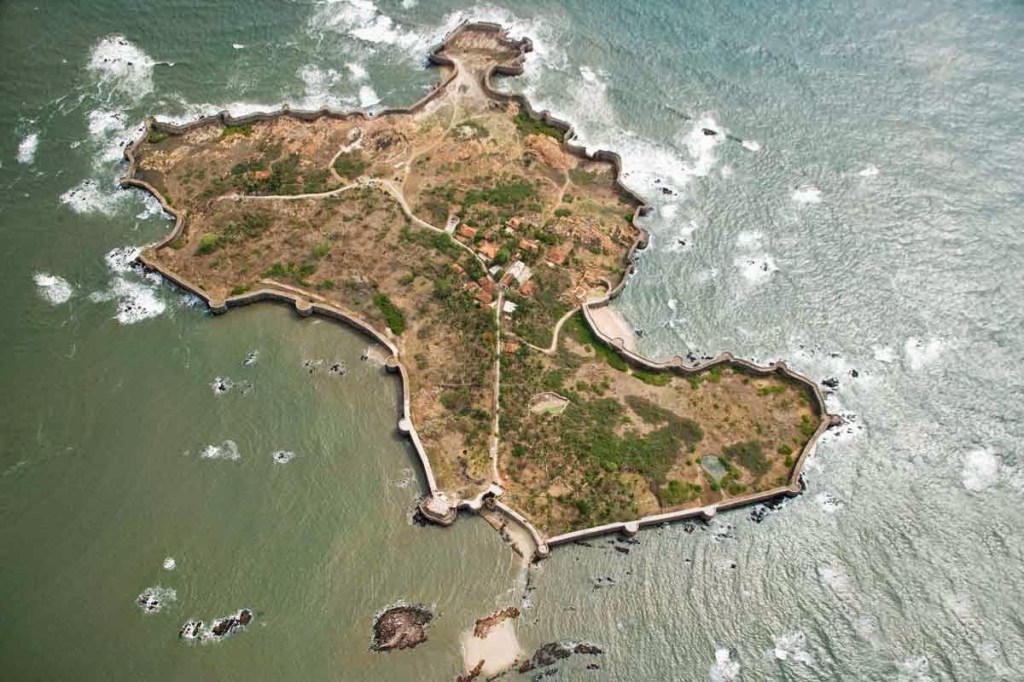
The tough terrain in form of Western ghats and adjoining sea seems to have been best utilised to create military architecture including planned settlements reflecting Maratha ideology.
The series of 14 hill and sea forts are architectural expressions of Maratha gallantry, heroism, and cultural traditions, documented in several contemporary historic records of the medieval period in India.
Deccan witnessed a different kind of social set up after arrival of the Delhi Sultans, Mughals and Rajputs.
The fortifications and their distinguishing Maratha style of architecture synthesizing Sultanate and Rajaput architectural traditions are an exceptional testimony to the cultural traditions governed by the landscape in Maharashtra.
The series of Maratha forts is an outstanding example of a traditional human settlement, land-use and representative of Indian culture.
It is a shining example of the optimum utilization of the landscape and environment by the human communities
for an about five centuries in best possible manner and application of
Swarajya or self-rule established by local Maratha a warrior clan in western India ruler based upon welfare and well-being of his own subjects.
This development was solely based upon best use of military landscape and guerrilla warfare tactics.The Maratha military landscape developed during the period of Chhatrapati Shivaji Maharaj represents a very interesting phenomenon in the Indian history that remains unparalleled for its military ingenuity.
The forts selected under present serial nomination are notified monuments by the Government of India and the Maharashtra Government.
Forts namely Raigad, Shivneri, Lohagad, Padmadurg, Vijaydurg, Sindhudurg and Alibag are centrally protected monuments by Mumbai Circle of the Archaeological Survey of India under provisions of the Ancient Monuments and Sites and Remains Act, 1958.
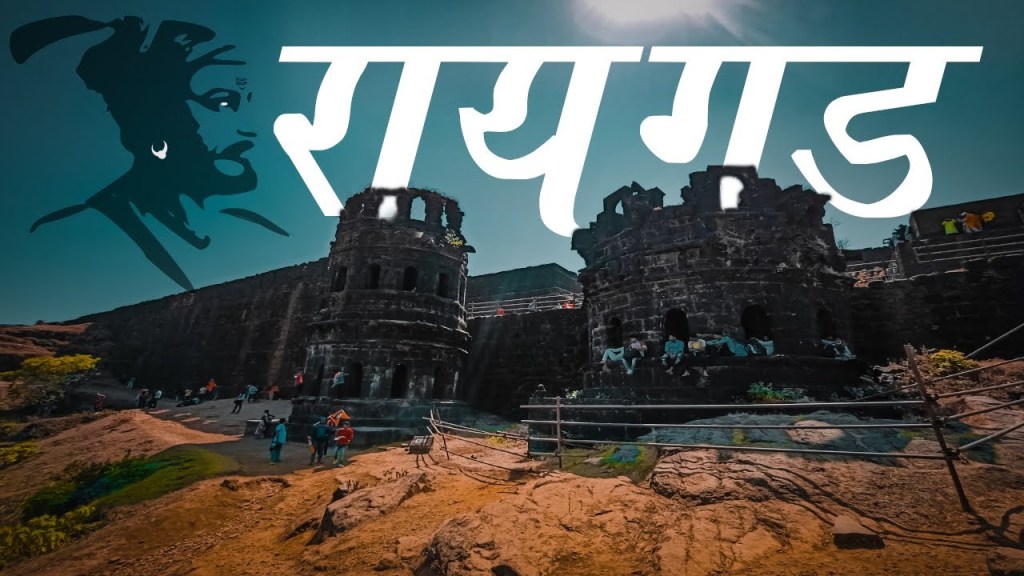
The forts at Rajgad, Torna, Salher, Ankai, Rangna, Khanderi are protected by the Directorate of Archaeology, Government of Maharashtra under Maharashtra Ancient Monuments and Sites and Remains Act, 1960.
Within the area protected by respective departments, implementation of law as well as the management mechanism is effectively functioning.
The remains of these fortifications were spread across the Western Ghats already inscribed as natural World Heritage Site are largely authentic and contain original materials of the respective periods.
Periodic conservation works carried out from time to time taking into consideration that no attempt is made at falsifying
the historical record or indulge in conjectural restoration which will obliterate the authenticity or integrity of the historical remains.
The policy of conservation of monuments by respective archaeology departments is primarily aimed at extending the life of the monument without altering their original features.
Reconstruction of the missing portions is kept to the barest minimum except when it is absolutely necessary for structural stability.
Apart from Lohagad the other important forts are mainly the Raigad fort Rajgad Fort Shivneri, Fort Torna, Salher Fort, Mulher Fort, Rangana Fort, Ankai-Tankai Fort, Kasa Fort, Sindhudurg, Alibag Fort, Suvarnadurg and the Khanderi Fort.
The Western Ghats made up of volcanic basalt rocks offers perfect settings for creation of such military establishments in the form of magnificent forts in Maharashtra.
The trap rock or basalt of the Sahyadri hill range in Maharashtra is suitable for carving, and it’s almost vertical cliffs are ideal for rock-cut architecture.
In the later period, the Sahyadri hills also provided the ideal locations for construction of fortifications for protection purpose.
It is observed that many of the hills selected for excavation of rock-cut caves or construction of a temple consist of the fortification walls constructed in the later period.
This is how the sacred spaces of the Historical period were turned into the military garrisons used for defensive purpose.
Though forts were often ‘constructed’ with rubble and well chiseled stone masonry set in lime or mud mortar, the art of creating ‘excavated’ features were not forgotten altogether.
The rock-cut features are often noticed on forts in the form of moats, water cisterns, scarps, gates, steps etc.
The Western coastline of India known as Konkan which extends vertically from the north to south over 720 K.M. between the Western Ghats
and the Arabian Sea and the Eastern margins of the Sanyhadri ranges extending up to the Central Maharashtra known as Marathwada, provided the perfect settings for the guerrilla warfare tactics.
In the Mediaeval period, Arabs, Turks and Europeans who first appeared in the Konkan region, slowly started to make their presence in hinterlands of Maharashtra.
A small kingdom in the form of Swarajya self-rule established by the great king Maharaja Chhatrapati Shivaji a Maratha warrior king could hold against the mighty Mughal Empire which comprised almost 20% share in the contemporary world economy.
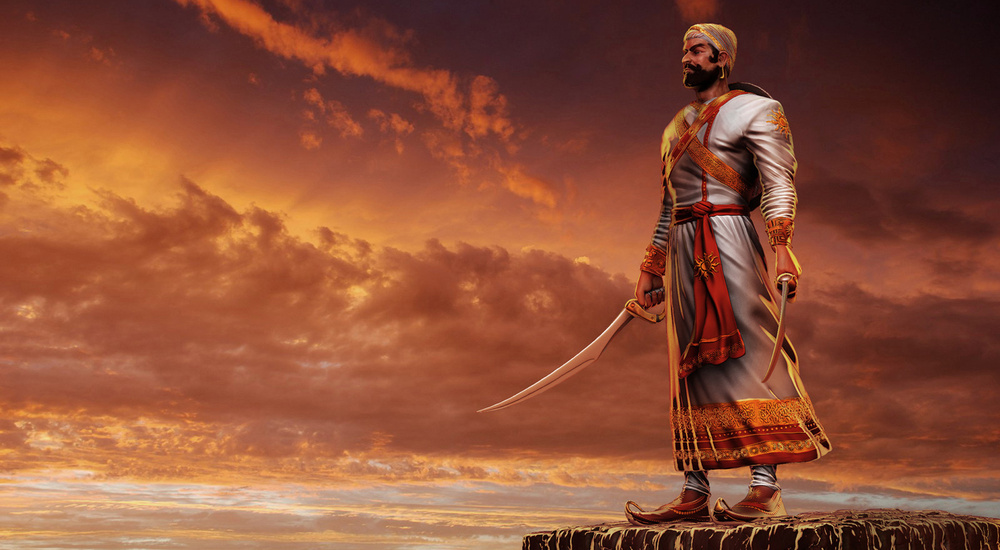
The Mughal Empire was already extending from the borders of modern Uzbekistan to Bay of Bengal and Emperor Aurangzeb was trying hard to annex the
Southern Indian kingdoms to extend the Mughal rule in the peninsular region of India.
The Maratha kingdom could stand firm and resist against the Mughal might owning to the best use of their hilly terrain further strengthened with construction of hill, land and sea forts and by adopting guerrilla warfare tactics making a unique case of intelligence use of human genius to create these strongholds combined with locally evolved effective fighting techniques.
However, the Marathas who set up a strong case of one of the best possible uses of native landscape were a part of the long tradition set-off during the Satavahana Empire which ruled these areas during the early centuries of Common Era.
The British records refer to this area as Deccan which is English corruption of the word Dakkhan or Dakkhin which is further corruption of the original Sanskrit word Dákṣiṇa meaning South as the Deccan Plateau comprises the Southern half of the Indian Subcontinent.
The Mauryan dynasty controlled the limited area of Deccan; however, the Satvahanas, Vakatakas, Chalukyas, Pallavas, Rashtrakutas, Chalukyas, Cholas, Kakatiyas, Hoysalas, Vijayanagara and Maratha Empire were the other prominent dynasties that ruled this region.
In 1674 C.E. the great king Maharaja Chhatrapati Shivaji laid the foundation of the Maratha Empire which within 75 years of his death covered most of the Indian Sub-continent.
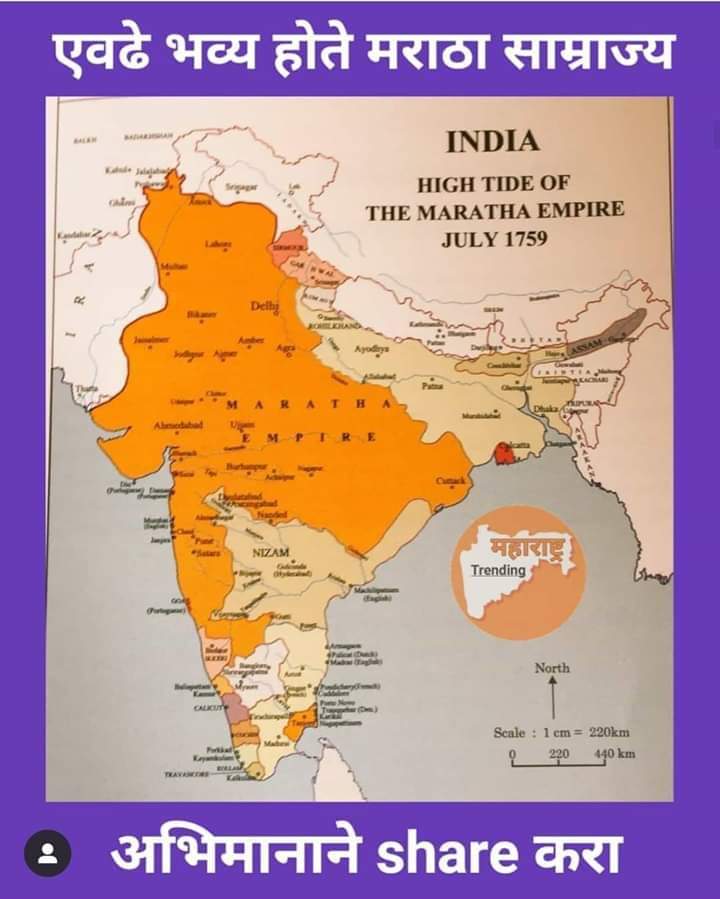
The best use of fortifications and application of gurrilla warfare tactics was witnessed during this period. The Marathas had conquered a large part of the Central and Western Maharashtra state in the Western India by the great king Maharaja Shivaji’s death in 1680 C.E.
The Marathas kept the British at bay during the 18th century C.E. By 1760 C.E, with the defeat of the Nizam in the Deccan, the Maratha power had reached its zenith.
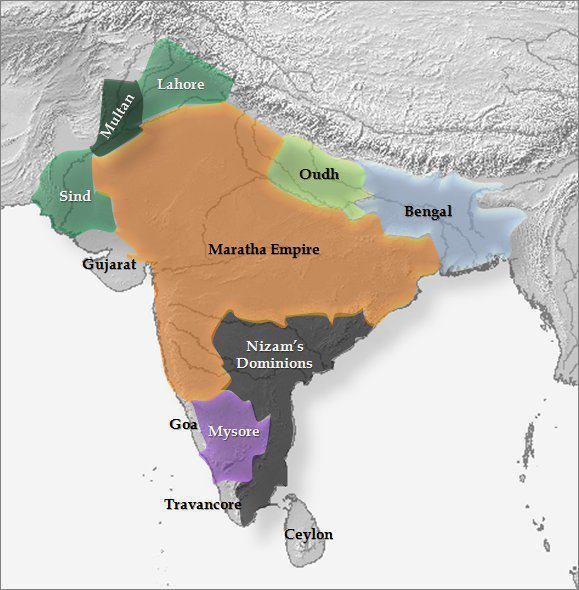
However, it was by the British East India Company in 1818 C.E. that Marathas tasted defeat after the three Anglo-Maratha wars.
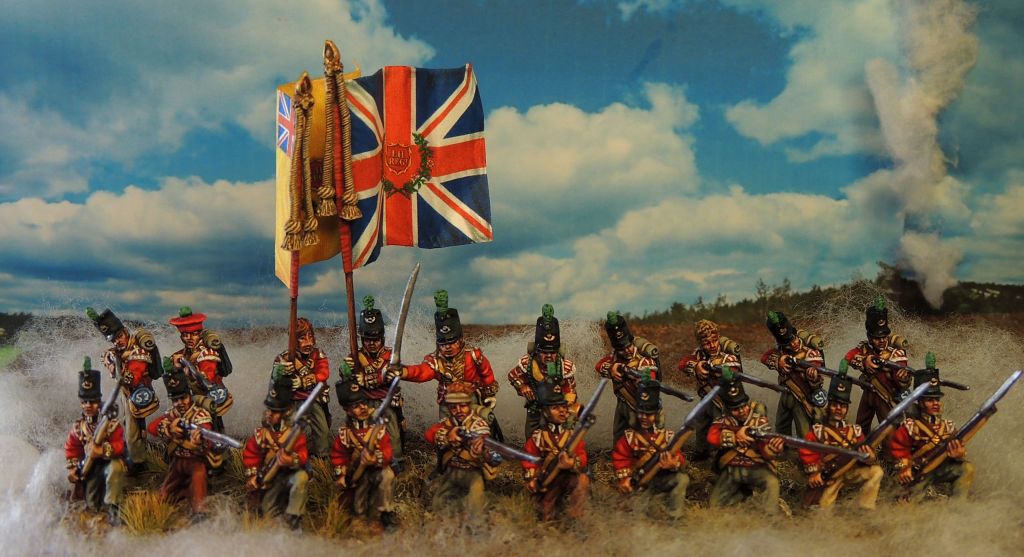
After decline in French interest, a new empire in India was established by the British. Aurangzeb’s viceroy Nizam-ul-Mulk established the seat of an independent government at Hyderabad from 1724 A.D. onwards.
Hence, the forts of Western India occupy an important place of
significance in the political and architectural history of the region.
While in the rest of India, the tradition of construction of forts
appears sporadically in space and time, it displays a vigorous and continuous activity in the Western India for a period of nearly 1800 years, starting sometime in the centuries immediately preceding the Common Era and continuing almost up to the 19th century C.E.
In terms of sheer number of forts, this region is marked with dense dots denoting various types, from forts covering hundreds of acres of land to a small check post and even an isolated watch towers.
Maharashtra perhaps is the only state that has almost
all types of fort architecture, land, sea and hill forts.
A thematic study of military architecture in the Indian subcontinent is vital to recognize the range of typology and identify the model cases that may qualify for the World Heritage nominations.
It is also to be noted that current inscriptions or potential ones are limited to the Outstanding Universal Value of individual forts or a series of forts narrating a political period, particular kingdom or adaptations to physiography of the region.
The defence structures as a part of the wider network of military operations or as a complete cultural landscape are yet to be understood and acknowledged in the case of Indian history.
The military landscape is an important aspect that needs to be further mapped and studied in detail across the India’s terrain through the historical perspective.
The great King Maharaja Chhatrapati Shivaji Maharaj born on February 19, 1627 is a principle of effulgence, rather a divine inspiration.
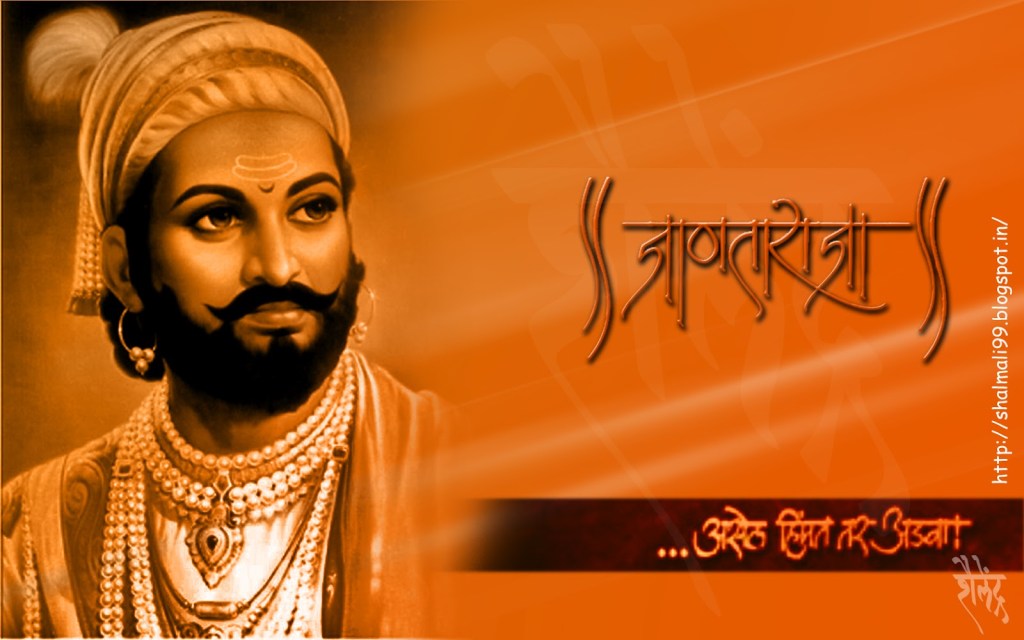
Right from his childhood, mother Jijabai would tell Shivaji about the lives of Shriram, Maruti, Shrikrishna and also from Mahabharat and Ramayana to make him pious and patriotic. Thus, she moulded him into an ideal ruler by sowing seeds of devotion to the nation and Dharma.
She was not only a mother to Shivaji, but also a source of inspiration.
Chhatrapati Shivaji Maharaj is a principle of effulgence, rather a divine inspiration. He is certainly not human, he is God.
Shivaji Maharaj is a Primal God who took birth in a divine and pure culture. In history, no other religion has produced such an immaculate personality.
One has yet to see a monarch who despite being powerful did not use his powers to torment, who despite being glorified was was not arrogant, who conquered valorous enemies and who despite being a human functioned as a God !
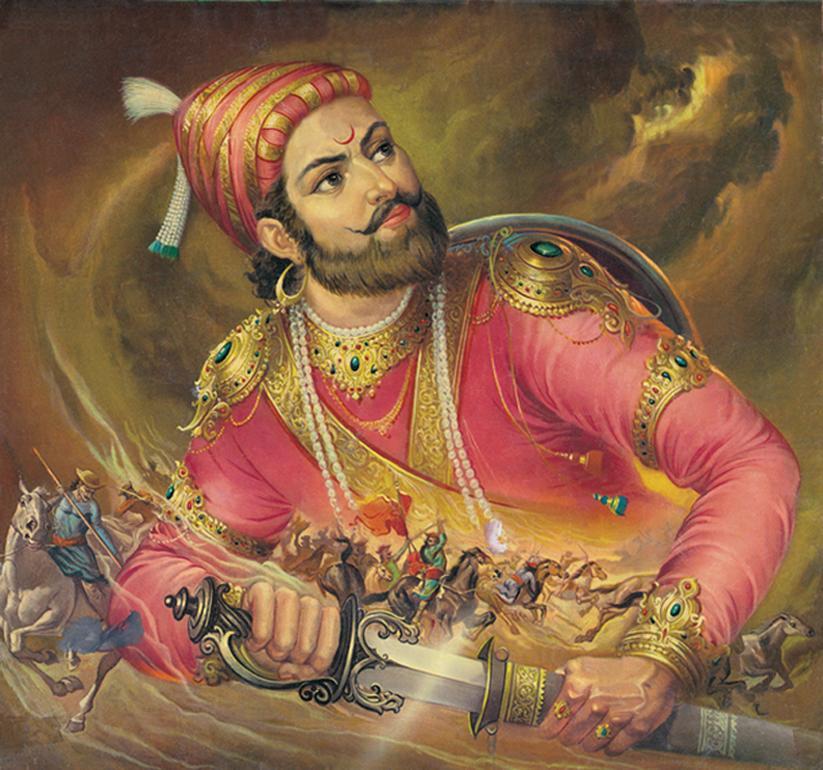
In the year 1657 Shivaji invaded Konkan and captured Kalyan and Bhivandi.
After taking possession of the enemy’s boats, he established his own dockyard for manufacturing new warships where he employed Portuguese and other European craftsmen too. Their knowledge helped build ships with prevalent European technology.

The court scribe has recorded that – Shivaji constructed a number of forts on different hillocks along the seashores.
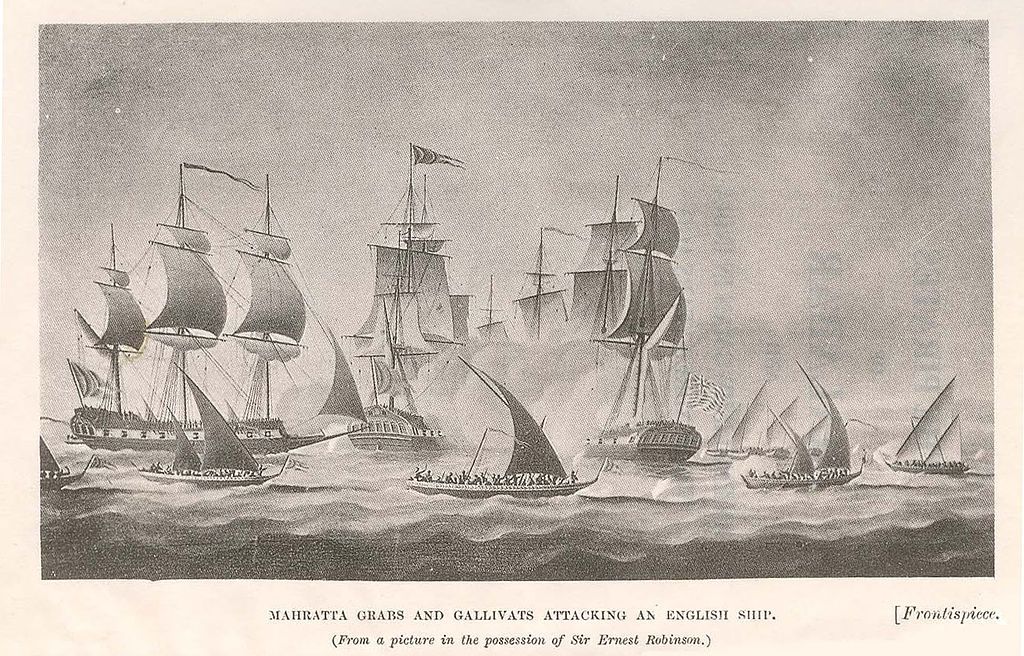
He managed to get control over sea by constructing innumerable forts on island chains and securing modern boats.
He had a fleet of no less than 200 ships consisting of warships of various capacities called guraba, tarandi, tarak, galbate, shibade etc.
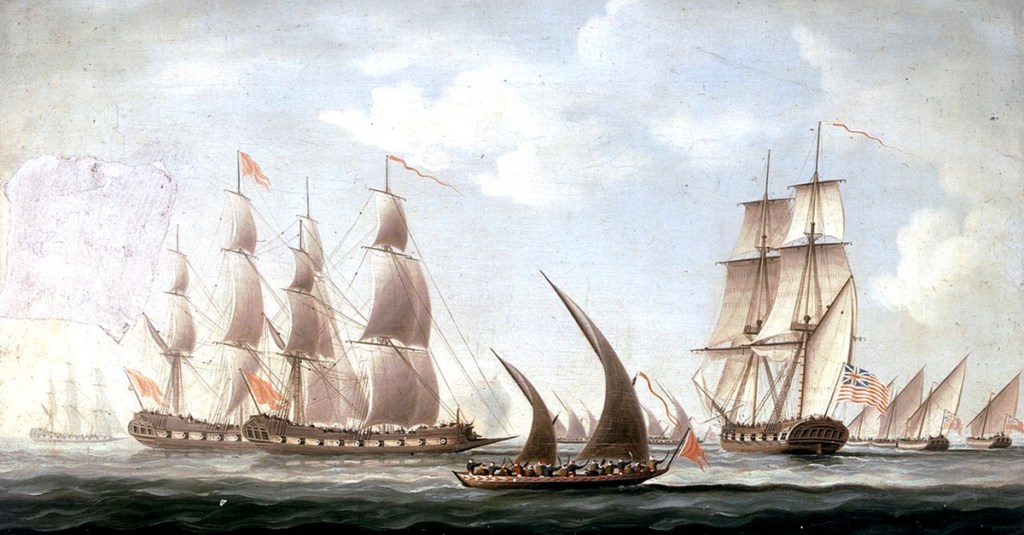
Shivaji fought with 27 enemies including the Mughals, English, Dutch at different places and raised a Naval base in the sea.
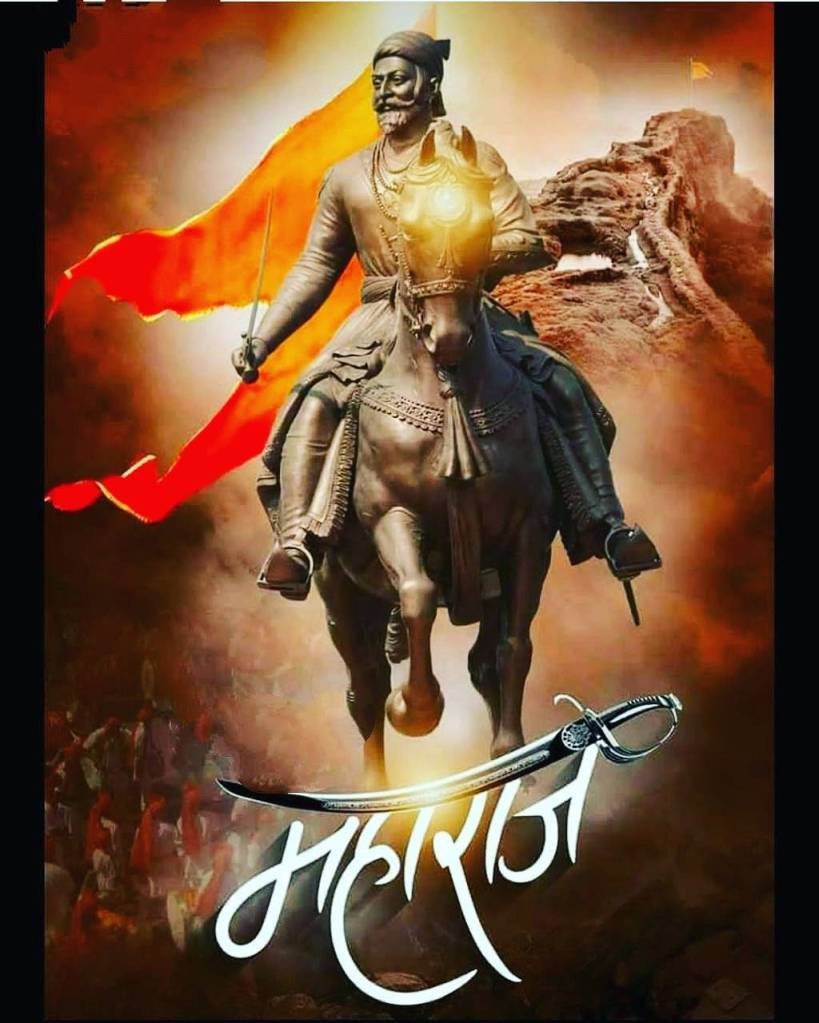
Chhatrapati Shivaji Maharaj founded the Hindu Kingdom in the Deccan against all odds, fighting against the mighty Mughals.
He inspired and united the masses to fight the tyranny of Mughal ruler Aurangzeb, by inculcating a sense of pride and nationality in them.
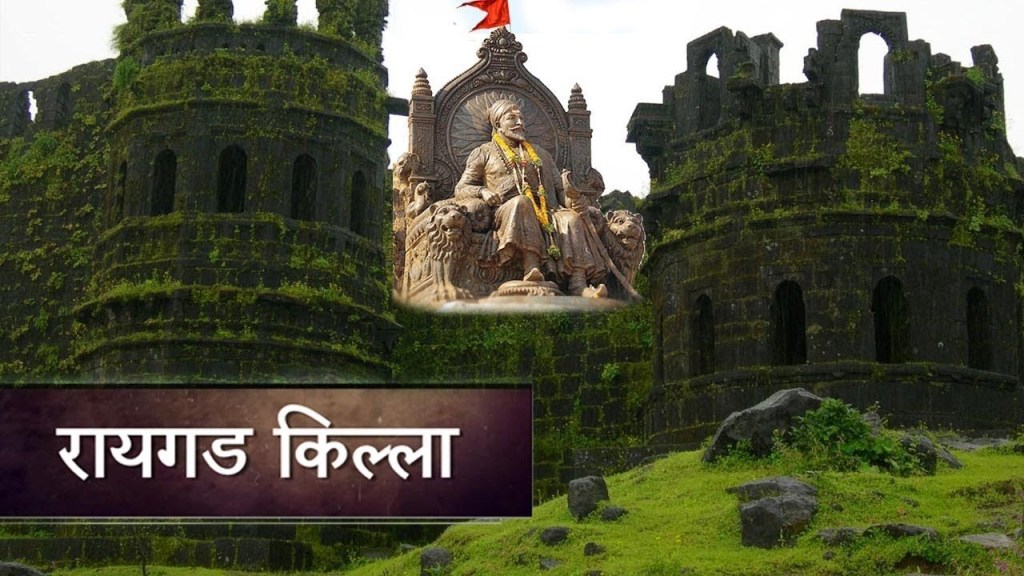
Shivaji Maharaj successfully led and marshalled his forces to cope and overcome several major enemy invasions of his territories.
At the age of 16, he took a pledge to establish a sovereign Hindu state.
He outshines all the Rulers and Generals of India in the exemplary life he lived and is thus respected by the entire cross-section of Indians.
He raised a strong army and navy, constructed and repaired forts, used guerrilla warfare tactics, developed a strong intelligence network and functioned like a seasoned Statesman and General.
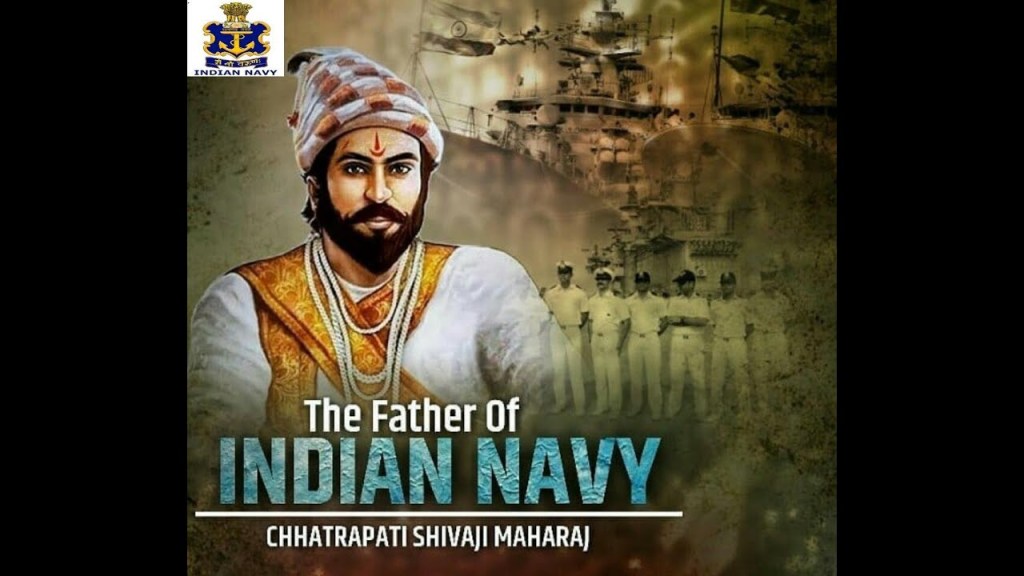
He introduced systems in revenue collection and warned the officials against harassment of subjects.
Shivaji Maharaj is well known for his benevolent attitude towards his subjects. He believed that there was a close bond between the state and the citizens.
He encouraged all socio-economic groups to participate in the ongoing political and military struggle. The Kingdom established by Chhatrapati Shivaji Maharaj was known as ‘Hindavi Swarajya’
Sovereign Hindu state spread beyond Attock in Northwest India now in Pakistan and beyond Cuttack in East India in due course, to become the strongest power in India.
The history of India is incomplete without the history of the Marathas and Shivaji Maharaj is the nucleus of Maratha history.
Shivaji Maharaj has been a source of inspiration and pride to the past generations and will continue to inspire generations in the future too.
Poet Kavi Bushan extolls the virtues of Chhatrapati Shivaji Maharaj when he says – He protected the sacred Vedas, the holy texts.
The Ram name continued to flow from the tongues of the devout. The Ram name continued to flow from the tongues of the devout.
The shikha of the Hindus stayed put.
The soldiers had their fill.
The janeu (sacred thread) of the Hindus was saved, so was the ‘mala’ around their necks. He crushed the Mughals, destroyed the Nizams and routed the enemies.
He was gifted with divine blessings.The great King Maharaja Shivaji protected the throne’s honour with the dint of his sword.
The Great King Maharaja Shivaji protected temples and idols therein andprotected the land and the Dharma within.
Kavi Bhushan continues that ‘Just as Shriram was to arrogant Ravan, Bhagvan Shri krisshna to merciless Kamsa, Chhatrapati Shivaji is to the mlecchas’ (mughals).
A letter written by the great King Maharaja Shivaji to Mughals reads
“Many experienced and famous commanders and generals have been coming here over the last three years, equipped with orders from the Emperor to capture Shivaji’s forts and territory.”
“You keep comforting your emperor that this Shivaji’s lands will soon be captured. If your imagination were a horse, even that would find it well-nigh impossible to frolic about in our territory.”
“Then why do your dream of capturing such land? Are you not ashamed of sending false reports to your emperor?”
“This land is not like Kalyani or Bidar, flat and easily overpowered.”
“Our territory is an arduous and hilly terrain. There are no routes to cross over rivers and rivulets. I have 60 strong and fully militarised forts, with more out in the sea.”
“Afzal Khan and his massive army tasted defeat. Why you are not conveying this to your Emperor?”
“Shaista Khan entered this territory with his large ego and army and bluffed to the emperor that he would subjugate Shivaji within no time.”
“Three years of toil provided no result. The price he had to pay for his arrogance and lies is well known.”
“It is my prime duty to protect my territory and people, which I will discharge without erring’.”
The following examples from the great King Chhatrapati Shivaji’s life were shared in management classes –
Bahirji Naik who was known as the ‘Ear-Nose-Eyes’ of Maharaja King Shivaji’s Swarajya was quoted as example while teaching ‘Forecasting’.
Example of Shivaji in constructing 350 forts in Maharashtra was given for his prudent ‘Planning’ for Hindavi Swarajya.
While teaching the principle of ‘Decision Making’ examples of killing Afzal Khan by Shivaji, the peace treaty with Mirza Raja Jaisingh, likewise, the decision taken by Netaji Subhashchandra Bose to get released from house arrest by Britishers.
Following sentence was quoted for more clarity while teaching ‘Leading’ Chhatrapati Shivaji Maharaj was a great Leader in the Indian History”, but Aurangzeb could not get that status.
Though Chhatrapati Shivaji Maharaj was having all the qualities of Leadership, it is the misfortune of Maharashtra that not a single city is named after Shivaji, but an entire District is named after Aurangzeb.
Sir Richard Temple was the Governor of India. He was once asked,” Aurangzeb came to Maharashtra with seven lakh army,
fought for 25 years, but could not win over Maharashtra. He could not destroy the empire of Chhatrapati Shivaji Maharaj.
What Aurangzeb could not achieve in 25 years with massive manpower and armoury, how you could succeed within 10-15 years with minimum arms and ammunition?”
The reply given by Richard Temple is very valuable.
He conveyed, “When Aurangzeb entered Maharashtra, people in whole of Maharashtra were remembering Shivaji. Subsequently people forgot him and we succeeded in acquiring Maharashtra.”
Quotes about Shivaji Maharaj by some great men
Ramdas Swami quoted “He can be glorified as successful, famous, blessed, valorous, meritorious and an icon of morality. There has been none like him, a knower of Dharma, who has protected Hindu Dharma in Maharashtra.”
A contemporary poet named Bhushan said Kashiki Kala Jati, Mathura Masid Hoti Agar Shivaji Na Hote, To Sunata Hot Sabaki
Kashi would have lost its splendour, Mathura would have become a mosque; if it had not been for Shivaji, all hindus would have been circumcised and converted to Islam.
A small country from South –East, like Vietnam was fighting for number of years against the most powerful country in the world like USA which had even nuclear weapons and still won the war with the inspiration of Chhatrapati.
The President of Vietnam had said after winning the battle that they had followed the strategy of Chhatrapati Shivaji Maharaj and therefore, they could defeat powerful America.
Vietnamese warriors adopted the strategy of Chhatrapati Shivaji Maharaj keeping him as ideal.
After the war was won by Vietnam, the President of that country was asked by reporters the secret behind defeating superpower like USA.
The President had said, “It was quite clear that our country defeating superpower was not possible; but during the war, I came across an autobiography of a brave king from Hindustan. We took inspiration from him and planned our strategy and determinedly implemented it. It was observed within few days that we were winning.”
Then the reporters asked who that brave Hindustani king was ?
The President replied, “The Great King Chhatrapati Shivaji Maharaj ! Had this great king been born in our country, we would have ruled over the whole world.”
The President of Vietnam had written his last wish before death that ‘It may be written on his grave as ‘One soldier of Chhatrapati Shivaji Maharaj is laid to rest here’.
That sentence can be seen even today.
A Lady from Vietnam their Foreign Minister was once visited India few years ago. As per the protocol, she was taken to see Red Fort and ‘samadhi’ of Mahatma Gandhi.
After seeing that, she asked where was the ‘samadhi’ of Chhatrapati Shivaji Maharaj ? The Indian officers were quite taken aback on hearing her question.
They informed her that it was at Raigad in Maharashtra.
She said that she wanted to go there and pay her obeisance.
She could not go back without prostrating before his ‘samadhi’ who was the inspiration behind their country to defeat most powerful country like USA.
She went to Raigad; visited the ‘samadhi’ of Chhatrapati Shivaji Maharaj; collected little soil from there and kept it in her purse with lot of devotion; not only this; but she also moved her soiled hand over her forehead as if applying ‘Tila’ of that holy soil on her head.
The officers from our Foreign Ministry were not only surprised to see this but were also overwhelmed.
Reporters and some officers present there asked her about the same when she said,
“This is the soil of brave warriors. A great king like Chhatrapati Shivaji Maharaj was born in this soil. Now after going back to my country, I will mix this soil with the soil of Vietnam so that great valiant leaders will be born even in my country.”
That is all for now keep watching Drone Mitra videos.
Do let me know whether you liked the video.
Apart from that in case you need drone shooting, drone clips or drone footage on any occasion email me amskher@gmail.com
In case of any other queries and questions please email me on amskher@gmail.com
Like and subscribe Drone Mitra YouTube Channel
Follow me on Twitter & Facebook where I am Dronemitra and
Follow me on Instagram Drone Mitra 4k



 Drone Mitra